


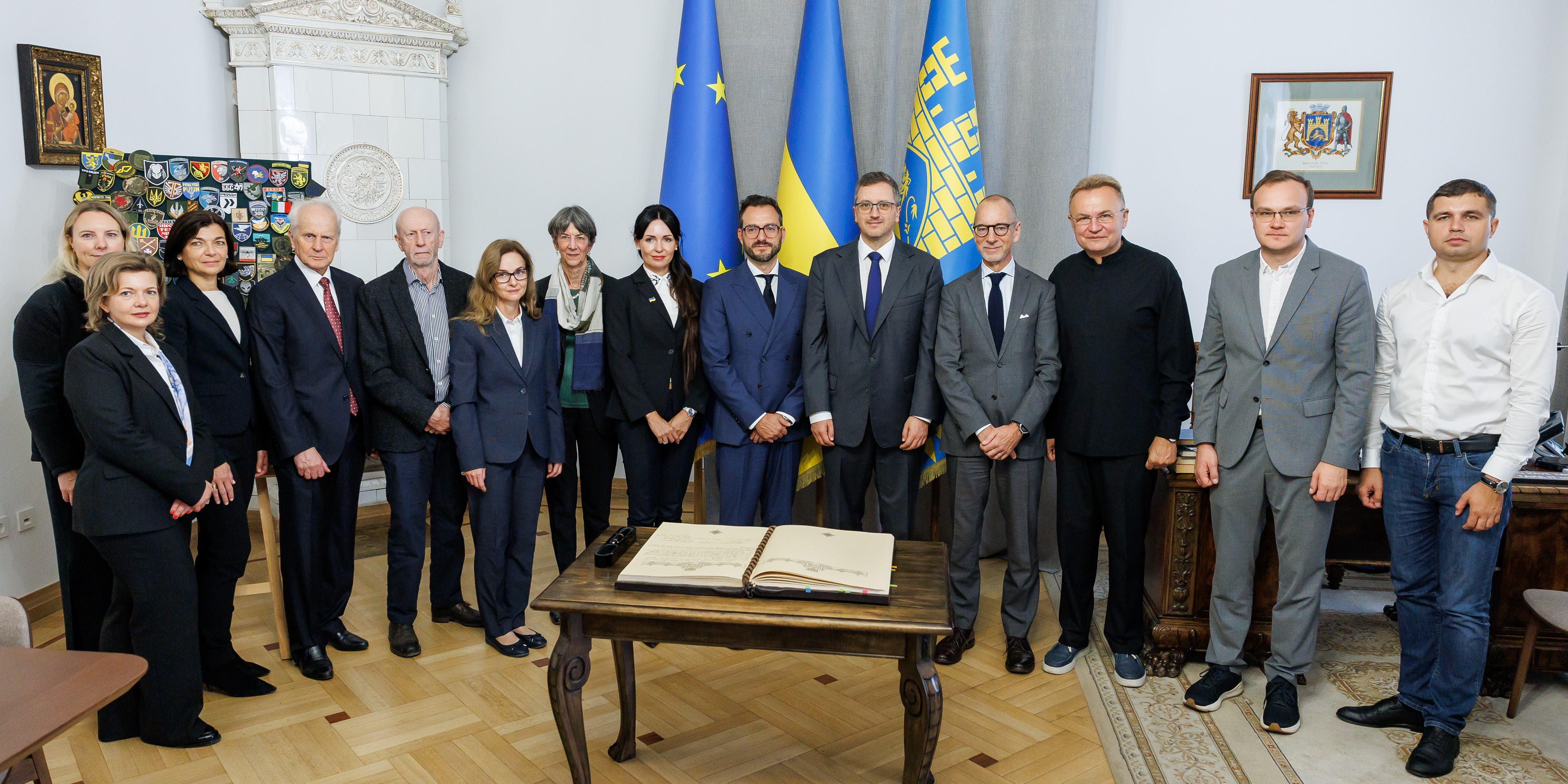
During its 13th meeting, the Board, the Chair of the Conference of Participants, and the Executive Director of the Register of Damage for Ukraine visited Lviv from 12-15 September 2026 to strengthen cooperation with local authorities, raise awareness of the opportunities to submit claims to the Register, and meet with people directly affected by the aggression of the Russian Federation.
During its meeting, the Board issued ten new decisions recording a further 7,672 claims in the Register, including the first decisions in claims categories A2.5 (Torture or Inhuman or Degrading Treatment or Punishment) and A2.6 (Deprivation of Liberty), and C3.1 (Damage, Destruction or Loss of Assets). Since its creation, the Register has received close to 200,000 claims and over 65,000 claims have already been processed and recorded.
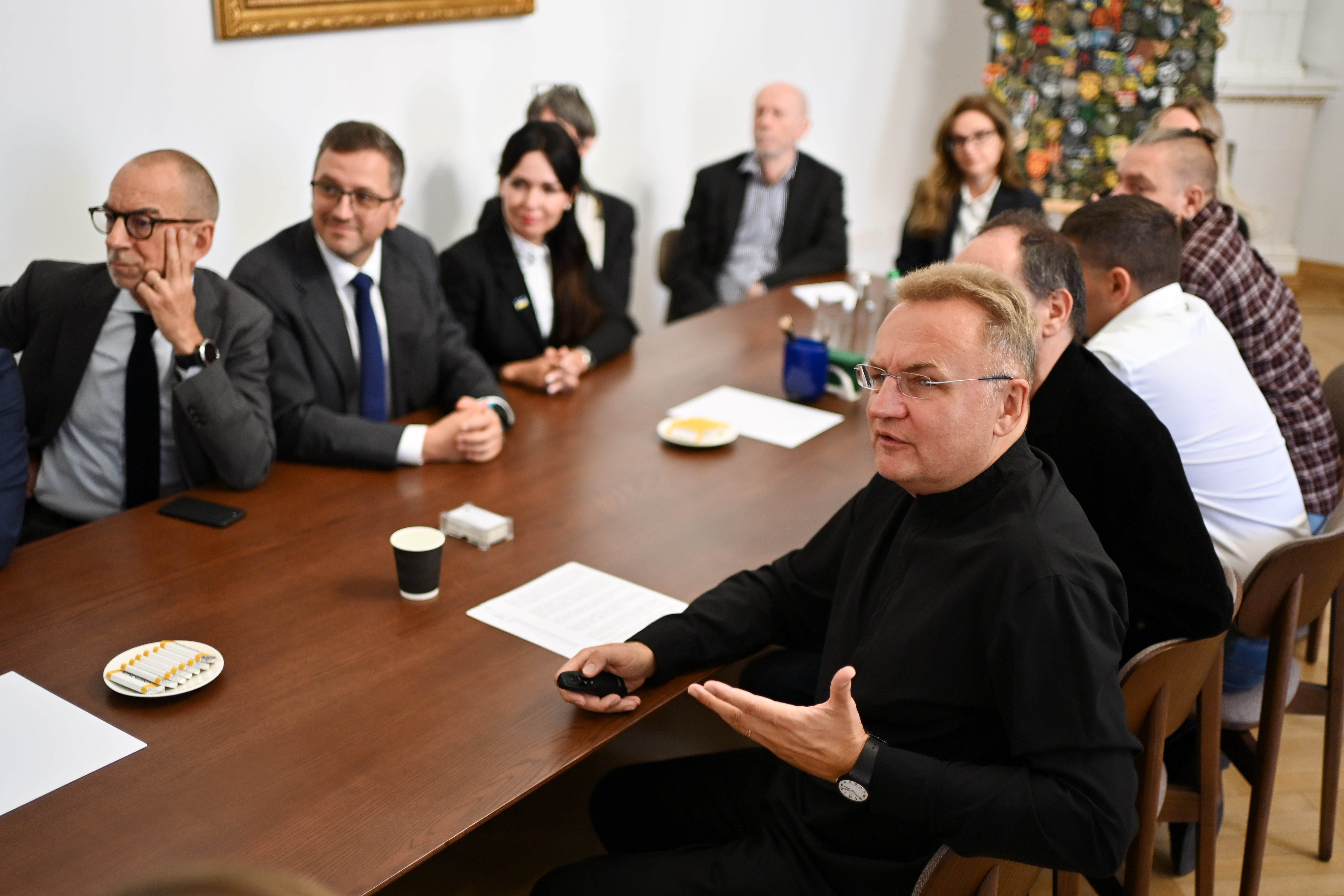
A central part of the visit to Lviv was a meeting with Mayor Andriy Sadovyi, his deputies, and representatives of local authorities. The discussions addressed the impact of the Russian aggression on the city and its residents, support for internally displaced persons, the treatment and rehabilitation of veterans, and damage to residential buildings, businesses, and cultural heritage sites.
Particular attention was given to the role of local authorities in raising awareness among affected people and assisting them in submitting claims to the Register. Although Lviv may be considered as a city located far from the front line, it has welcomed a significant number of internally displaced persons, provides treatment and rehabilitation to those affected, and has an active veteran community.
“Local authorities work directly with people who have lost their homes, have been forced to leave their communities, are undergoing treatment and rehabilitation, or are rebuilding their lives after what they have endured. Cooperation with cities and local communities is therefore essential: it helps ensure that information about the Register reaches everyone who is eligible to submit a claim,” said Niklas Kebbon, Chair of the Conference of Participants of the Register of Damage for Ukraine.
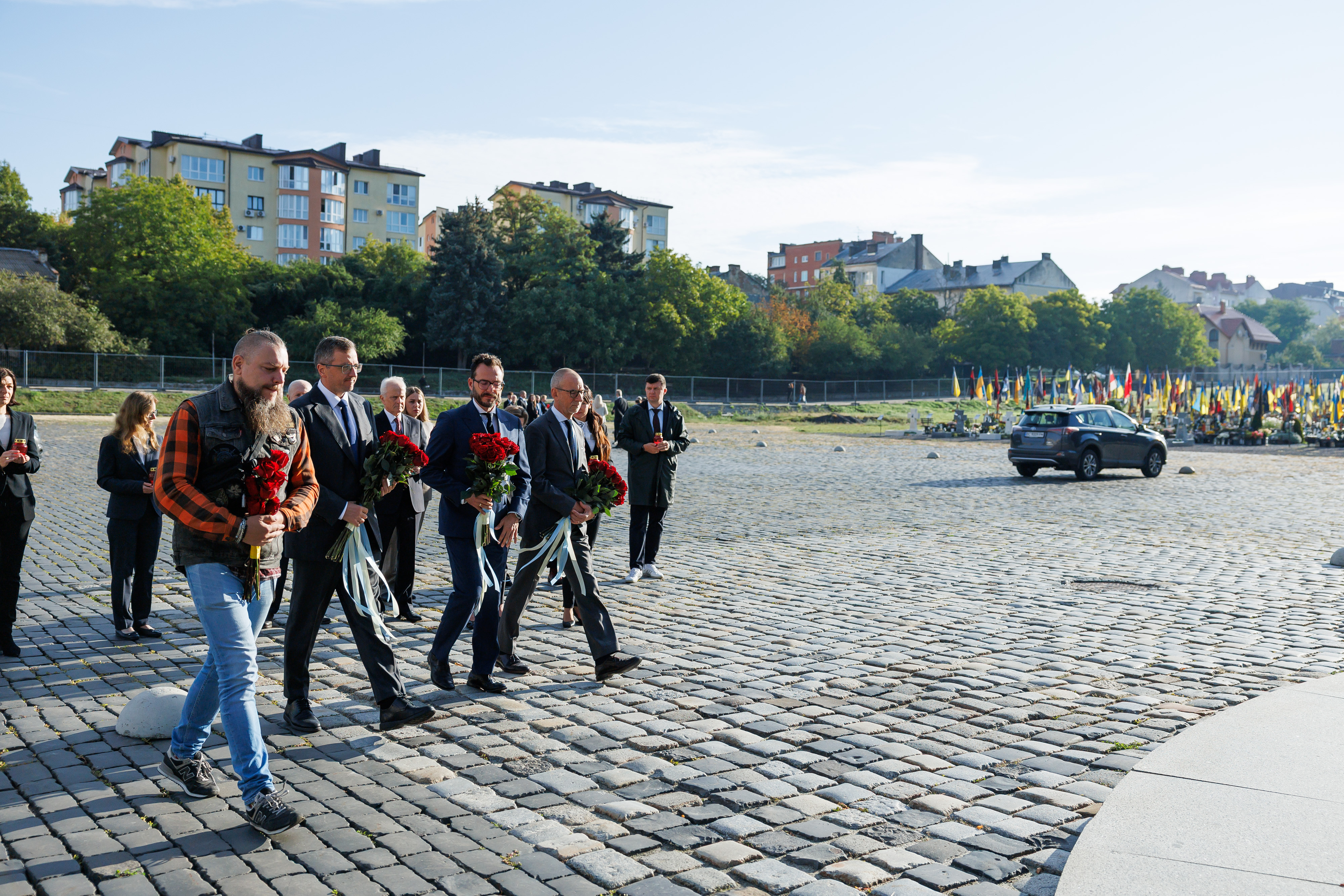
The delegation visited Lychakiv Cemetery where they observed the national minute of silence, laid flowers, and lit memorial candles in tribute to those who lost their lives defending Ukraine.
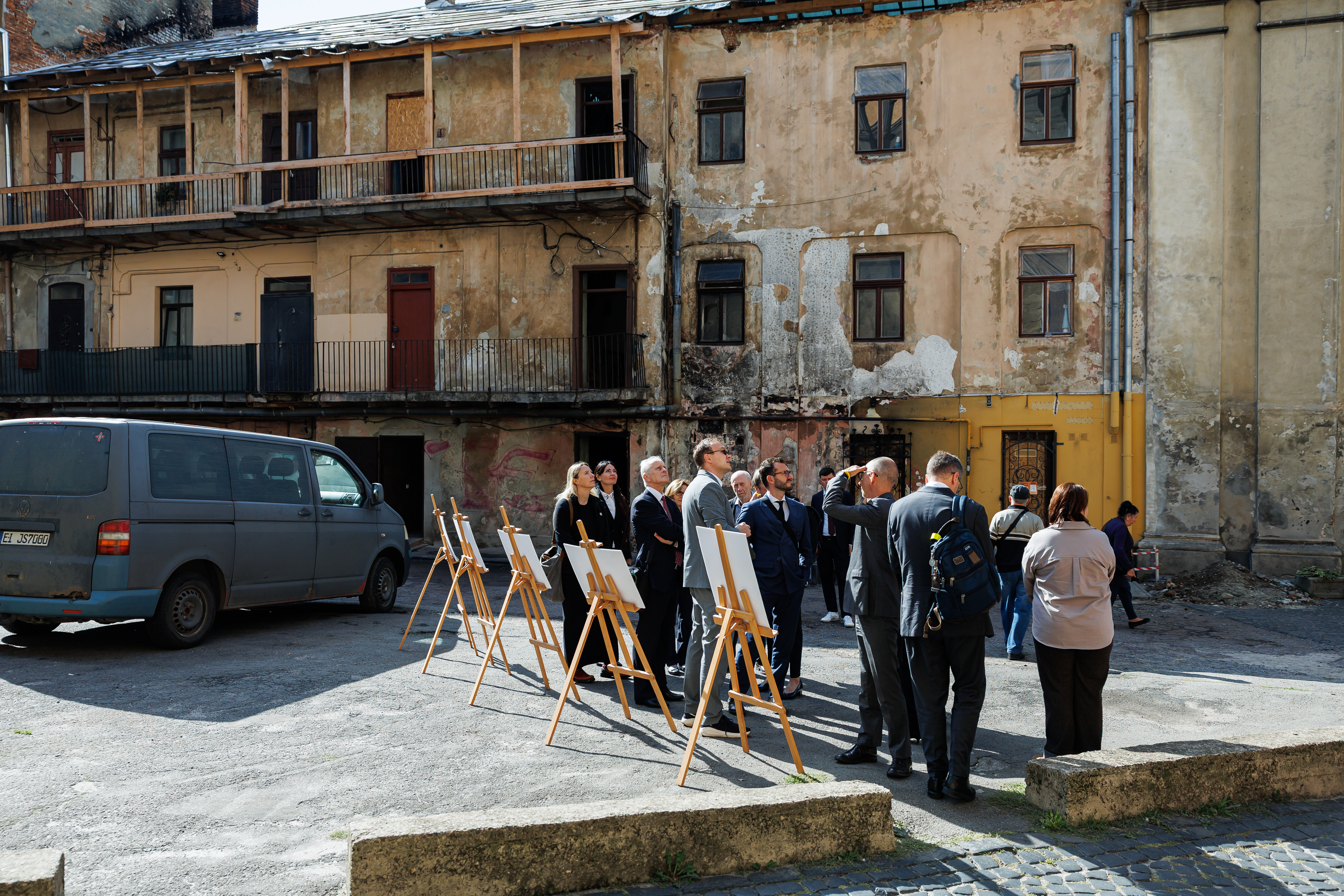
The delegation also visited residential buildings and cultural heritage sites damaged by Russian attacks and learned about the ongoing restoration efforts.
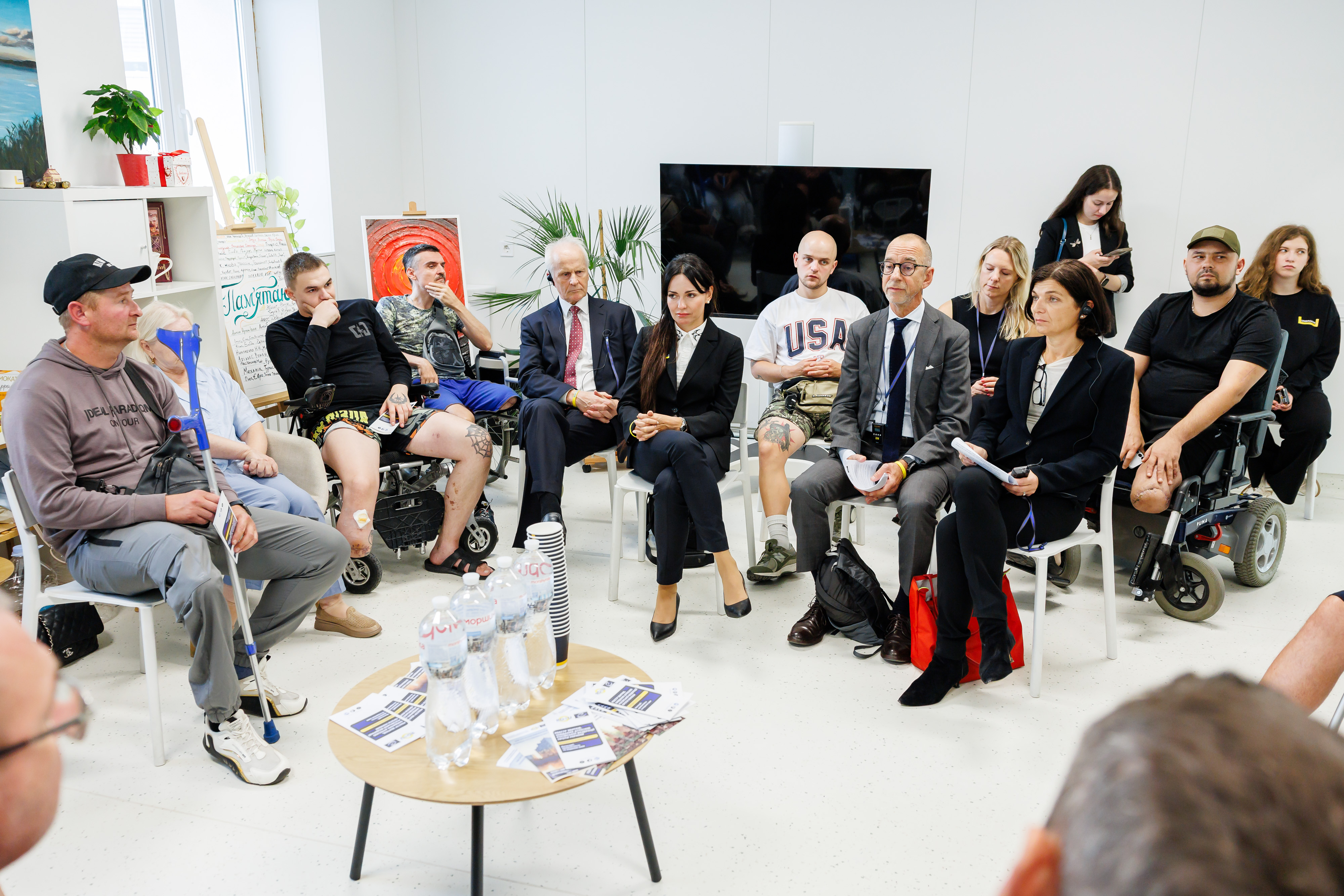
During a visit to the UNBROKEN National Rehabilitation Centre, representatives of the Register learned about the work of its medical and rehabilitation facilities and had an exchange with patients, mentors, and specialists.
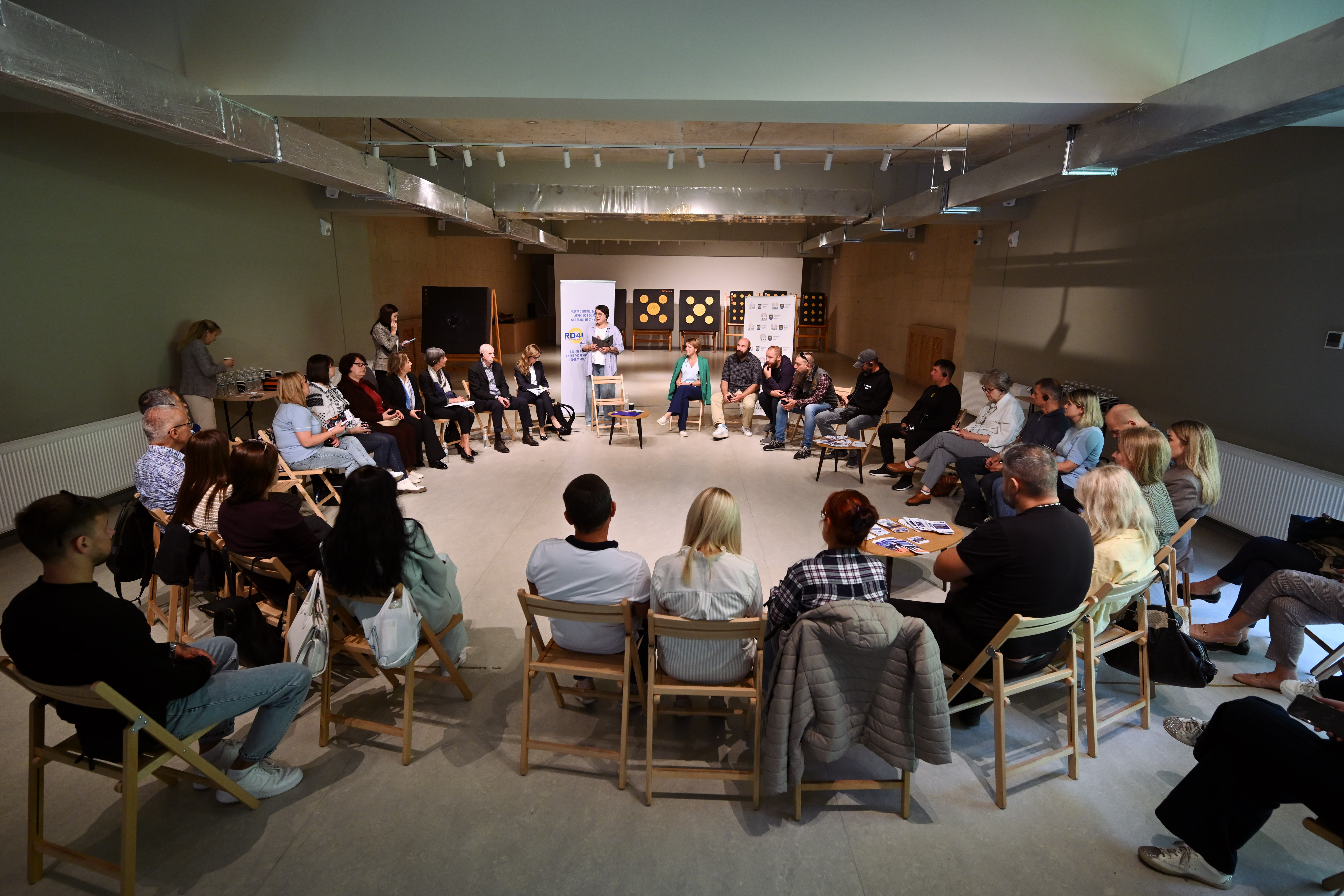
A separate meeting was held at the Strilnytsia Veterans Hub with the veteran communities, civil society organisations working with veterans, veteran-owned businesses, representatives of Lviv City Council and social services. Participants discussed veterans’ experiences, the support available to them, and the importance of raising awareness of the categories of claims that may be submitted to the Register.
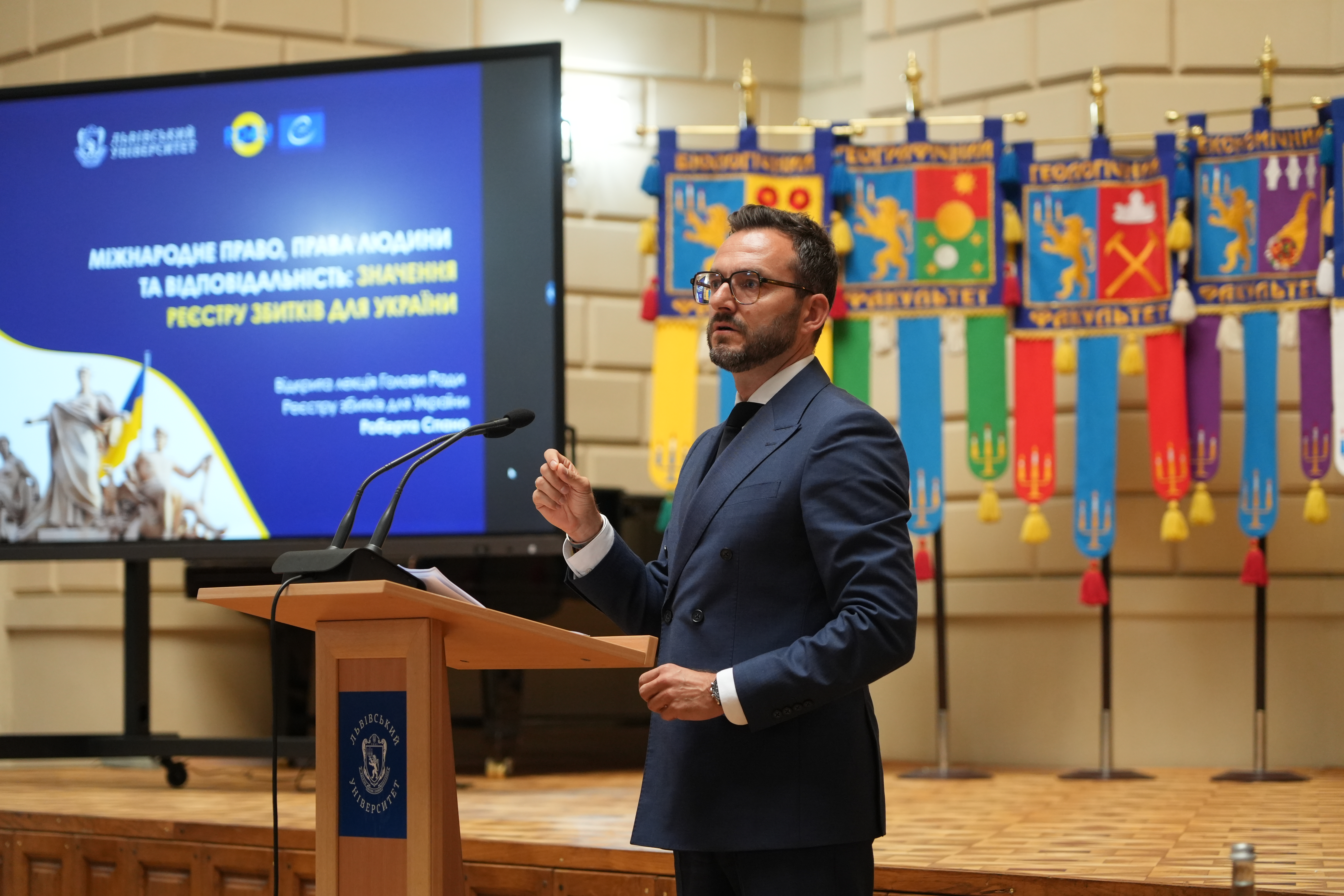
As part of the visit, the Chair of the Board of the Register, Mr Robert Spano, delivered a lecture to students and faculty members at Ivan Franko National University of Lviv. The lecture addressed “international law, human rights, and accountability: the significance of the Register of Damage for Ukraine”.
“International law must remain effective even in the face of the gravest violations. The work of the Register is a concrete step towards ensuring accountability and compensation for the damage caused by the Russian aggression. It was particularly important for me to discuss with students - future lawyers, diplomats and public officials - why this process matters not only for Ukraine, but for the international system of justice as a whole,” said Chair of the Board of the Register Robert Spano.
The visit to Lviv marked an important step in strengthening the Register’s engagement with local authorities, medical and rehabilitation institutions, veteran sector and the academic community. Such cooperation not only helps inform and support affected people in submitting claims but also contributes to more comprehensive documentation of the damage, loss, and injury caused by the Russian aggression. This will help build a comprehensive evidentiary foundation for the future international compensation mechanism and strengthen its capacity to deliver fair compensation to those affected.


